


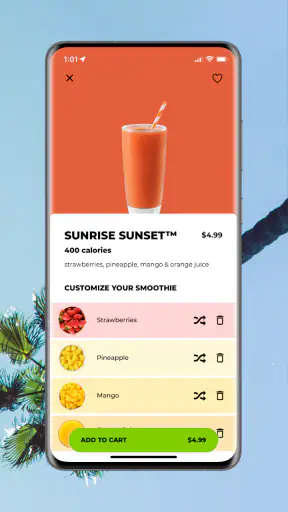
I approached Tropical Smoothie Cafe as the kind of app you open when ordering food needs to be quicker than standing in line. It is a free Food & Drink app from Tropical Smoothie Cafe, built around ordering ahead, locating cafes, and connecting purchases with rewards. That sounds simple, but the real question is whether the convenience is worth creating another account and sharing the information needed to place an order.
After spending time with it, I see the app as most useful for regular customers who already know what they want and visit Tropical Smoothie Cafe often enough to make rewards worthwhile. It is less compelling for someone who only wants to browse a menu once, compare several nearby restaurants, or avoid account-based ordering altogether. My overall impression is positive, but I would use it deliberately rather than treating it as an essential food app.
What the app is really useful for
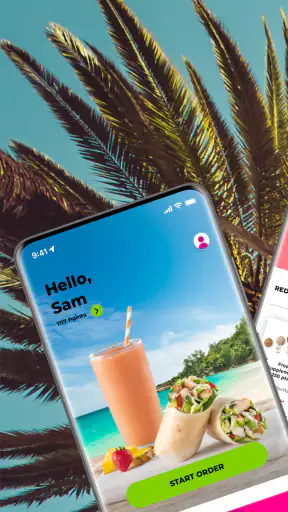
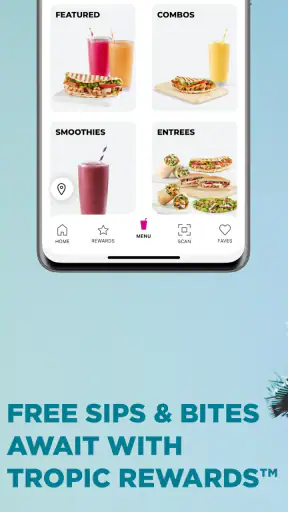
The main advantage is the combination of ordering ahead and cafe discovery in one place. Instead of arriving first and deciding what to do at the counter, I can use the app to choose a location, select food or a smoothie, and prepare the order before I leave. That is especially practical during a short lunch break, on the way to work, or when I am picking up food for more than one person.
The cafe finder also gives the app a purpose even when I am not ready to order. If I am in an unfamiliar part of town, checking locations first is more convenient than searching separately and then switching to another service. The workflow makes the most sense when I already intend to visit this particular chain. It is not trying to be a general restaurant marketplace, and that narrower focus is both its strength and its limitation.
I would describe the experience as a direct connection to one restaurant brand rather than a broad food-discovery tool. That distinction matters. A delivery marketplace may offer more restaurants and allow side-by-side comparisons, while this app is better suited to customers who have already made the brand choice and want a smoother visit. For a familiar order, fewer steps can be more valuable than a larger selection of restaurants.
The app is free to install, and its age rating is Everyone, which makes it approachable for a wide range of users. Its current version is 6.8.20, so keeping it updated is sensible when using mobile ordering. The service has been available since July 21, 2015, and its audience is substantial, with over a million installs. That history and reach make it feel like an established companion for the cafe rather than a temporary promotional experiment.
Trust starts with knowing what you are opening
For me, trust in a food-ordering app begins with a clear purpose. This one has a relatively understandable reason to request an account: ordering ahead and earning rewards both need some way to connect activity with a person. I am more comfortable with that arrangement when I can see why a sign-in is necessary and when the app does not make unrelated features feel mandatory.
The developer is named directly as Tropical Smoothie Cafe, which keeps the relationship straightforward. I am not being asked to place a branded order through an unfamiliar intermediary. That does not automatically answer every privacy question, but it does make the basic responsibility easier to understand: the app represents the cafe, and the account is tied to using the cafe’s own ordering and rewards experience.
Public reception is also a useful, though imperfect, trust signal. The app holds a 4.0 average from around 45 thousand ratings and has roughly 6 thousand written reviews. I would not treat those figures as proof that every order will be smooth, because food apps depend on location, timing, and staff workflow. Still, the volume suggests that the app has been used widely enough for recurring strengths and frustrations to become visible to prospective users.
My practical advice is to judge the app by the control it gives you at each important step, not just by its rating. Before confirming an order, I would check the selected cafe, pickup details, items, customizations, and total. A polished interface can still make a wrong location or overlooked option easy to miss if I rush through checkout.
Account controls deserve attention
The rewards element is attractive for repeat customers, but it also changes how I think about the account. A rewards account is not just a shortcut for one purchase; it is a record of ongoing activity connected to a login. That can be worthwhile if I visit regularly, yet unnecessary if I am only making an occasional stop.
I would create an account when I expect to use ordering ahead more than once or when earning rewards is important to me. I would skip registration for a one-time browsing session until the app clearly requires it for the action I actually want. This is a small but useful privacy habit: do not provide continuing account information merely to inspect a menu or find a cafe if the app lets you do those things without signing in.
Another sensible habit is to review the account screen after setup. I would look for saved contact details, notification choices, rewards information, and any stored ordering preferences. The important point is not to assume that a convenient option is automatically necessary. If I do not need a detail saved for the next visit, I prefer leaving it out or removing it when possible.
I also would not share login access casually. The app is designed around personal ordering and rewards, so allowing another person to use the same account can make purchase history, rewards progress, and account changes harder to track. For a family order, it is safer to review the basket together before placing it than to treat the account like a communal profile.
Where personal information becomes relevant
Ordering food creates several natural moments where personal information matters. The cafe needs enough information to associate an order with the customer and prepare it for pickup, while the rewards system needs an account connection to recognize activity. I do not see those needs as inherently unreasonable, but I do think users should pay attention to what is being requested at the moment it appears.
Location is another point worth handling carefully. A cafe finder is useful, but I prefer searching for a location manually when I am only checking nearby stores. If the app offers a choice between using device location and entering a city, neighborhood, or address, I would choose the narrower option that solves the immediate problem. Location access is most useful when I am actively trying to find a cafe, not something I would leave enabled without considering why I need it.
Notifications can also become noisy in food apps. Order updates may be helpful when I am waiting for pickup, while repeated promotional messages may be less valuable. I would keep alerts that support an active order and review the rest after the first few days of use. The best experience is not necessarily the one with every alert enabled; it is the one where notifications help me act without turning the app into a constant interruption.
Payment is the moment when I slow down the most. Before confirming, I would verify the cafe, pickup timing, order contents, customizations, and final amount. I would also avoid placing an order while distracted or relying on a saved setting I have not checked. This is not a criticism unique to this app, but ordering ahead removes the opportunity to correct a mistake face to face, so the review step matters more.
A realistic weekday use case
Imagine that I have a short break between meetings and want a smoothie plus food for a colleague. I can open the app, find the cafe near the office, build both orders in one basket, and review the details before leaving my desk. The useful part is not merely saving a few minutes; it is reducing the uncertainty of arriving during a busy period and discovering that I still need to wait to place the order.
In that situation, I would first confirm that the selected location is the one closest to the office rather than another branch I visited previously. Then I would check every customization and make sure the colleague’s item is clearly separated in my own notes or memory. Finally, I would leave enough time for pickup rather than assuming that submitting the order means it will be ready immediately.
This workflow shows where the app earns its place on my phone. It is a planning tool for a known destination, not a magic solution for every rushed meal. If my plans change, I would check the order status and available account controls rather than assuming I can freely edit or cancel after submission. That cautious approach prevents the common mistake of treating an order-ahead app like a draft form.
Rewards can be useful, but only for the right customer
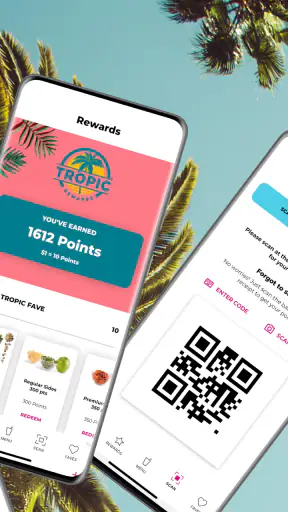
The rewards feature is the strongest reason for a regular customer to keep the app installed. It gives repeat visits a digital connection and makes the app more than a one-time ordering shortcut. I like the idea of having ordering and rewards together because it avoids juggling a separate loyalty card or another unrelated app.
However, rewards can also encourage unnecessary purchases if I focus too much on progress instead of what I actually need. I would not choose a more expensive order simply to chase a reward, and I would check that my account is signed in before expecting a visit to count. If I use multiple accounts or switch between guest-style browsing and a signed-in session, it becomes easier to lose track of where activity is being recorded.
For occasional customers, the benefit is smaller. Someone who visits only when traveling may gain more from the cafe finder and ordering function than from long-term loyalty tracking. Someone who already uses another rewards system for several restaurants may prefer the broader convenience of that alternative, even if this app offers a more direct connection to Tropical Smoothie Cafe.
How it compares with other ways to order
Compared with ordering at the counter, the app is better when I know my order and want to prepare it before arriving. The trade-off is that a face-to-face conversation makes it easier to ask questions, clarify an unusual request, or correct a misunderstanding immediately. I would still choose the counter when I am unfamiliar with the menu or need help deciding.
Compared with a general delivery marketplace, this app is more focused. A marketplace may be preferable when I want to compare restaurants, see several cuisines, or arrange delivery from different businesses in one session. Tropical Smoothie Cafe’s app makes more sense when I have already selected the chain and want a direct pickup workflow with rewards attached.
Compared with a mobile browser, a dedicated app can feel faster for repeat visits because the cafe-focused experience is already organized around locations, orders, and account activity. The browser may be the better choice for a one-off visit if I do not want another app installed. In other words, the app’s value grows with repetition; it is not equally useful to every customer.
Small frictions that affect the experience
The narrow brand focus is the clearest limitation. I cannot use it as a universal food planner, and its usefulness depends on being near a participating Tropical Smoothie Cafe when I want to order. If the nearest location is inconvenient or my plans change, the app cannot replace a broader restaurant search.
Order-ahead convenience also creates responsibility. I need to choose the correct cafe and review the basket carefully because I am committing before arriving. A mistake that would be easy to fix at the counter can become more awkward after submission. I would especially avoid rushing through the final screen when ordering for other people.
There is also a natural tension between convenience and data sharing. The more I use the account, rewards, location tools, and notifications, the more useful the app may become, but the more deliberate I should be about account settings and device permissions. I do not see that as a reason to reject the app; I see it as a reason to use only the controls that support my actual routine.
People who dislike creating accounts, rarely visit the brand, or want a single app for many restaurants should probably skip it. The same goes for anyone who prefers discussing ingredients and substitutions directly with staff. The app is not a replacement for personal service in every situation, and convenience is not the same as flexibility.
My cautious recommendation
I would recommend Tropical Smoothie Cafe to regular customers who want pickup planning, a cafe locator, and rewards in one brand-specific app. It is free, easy to understand in purpose, and supported by a sizeable user base. The 4.0 average from around 45 thousand ratings suggests a generally solid experience, while the written feedback volume is large enough to remind me that real-world results can vary by order and location.
My recommendation comes with a simple condition: use the account intentionally. Check the selected cafe, review the order before confirming, choose location access thoughtfully, and keep notifications limited to what helps. Those habits make the app more useful without handing every available control to the app by default.
For me, the deciding factor is frequency. If I visit Tropical Smoothie Cafe regularly, ordering ahead and rewards justify keeping the app available. If I am only curious about the menu or need a restaurant comparison tool, a browser or broader food service is likely a better fit. The app is at its best when it removes friction from a familiar purchase, not when it tries to replace every way of choosing food.
That makes it a practical, focused Food & Drink app rather than a must-have for everyone. I would install it for repeated visits, review its account and device choices during setup, and keep using it only if the saved time and rewards genuinely match my routine.


